Daily Glow Vitamin C Cleanser
Use a vitamin C cleanser to neutralize pollution- and UV-driven ROS, lift sebum and sunscreen, and enhance brightness while preserving barrier lipids. Choose stable derivatives (ascorbyl glucoside, ascorbyl glucoside, MAP), mild surfactants, glycerin, and ceramides; skip harsh sulfates, strong AHAs, benzoyl peroxide, and copper peptides. Massage onto damp skin for 30–60 seconds with lukewarm water, then apply vitamin C serum, humectants, and SPF 30+. Modify gel vs cream according to skin type; check for stinging and decrease frequency. Follow these tips to optimize results.
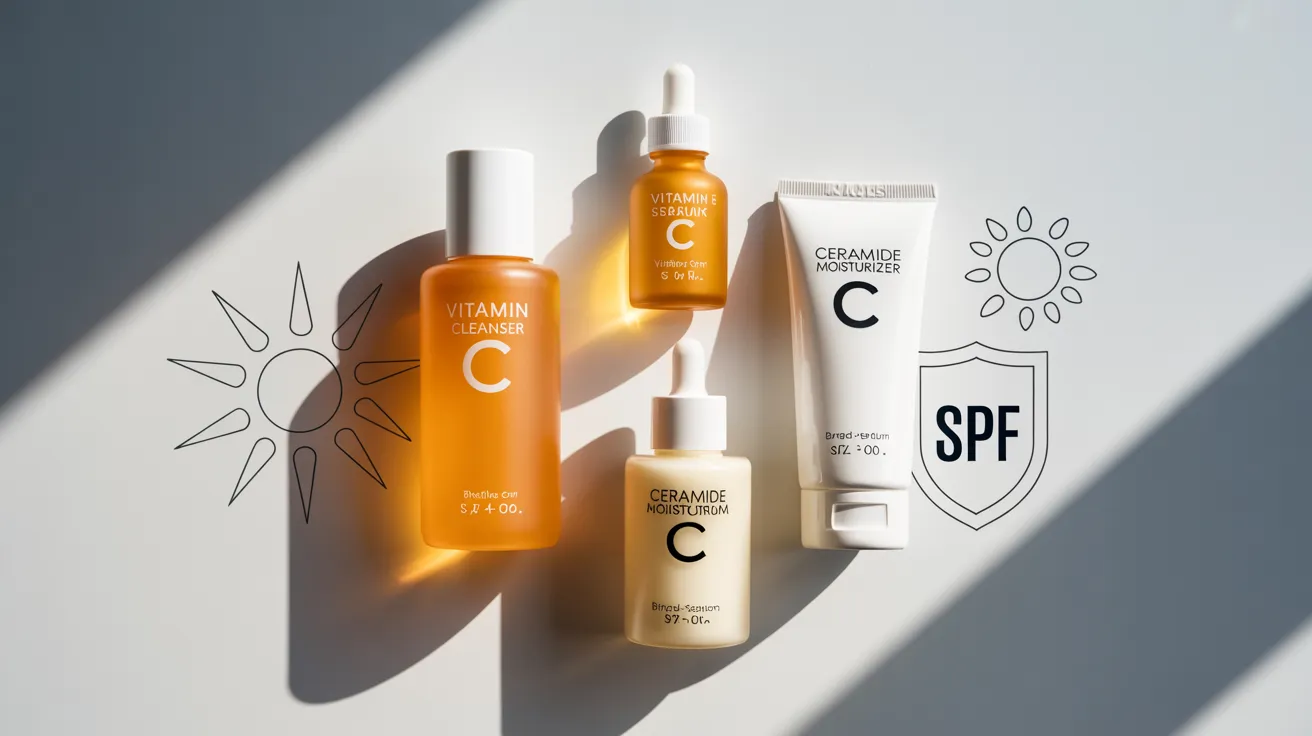
Essential Highlights
Why Vitamin C Cleansers Elevate Your Daily Beauty Routine
Although it's best known as an antioxidant, vitamin C in a cleanser can instantly enhance skin hygiene and barrier defense by deactivating reactive oxygen species generated by pollution and UV, chelating pro-oxidant metals, and encouraging collagen synthesis. You receive an antioxidant boost at the very start of your regimen, reinforcing your acid mantle while eliminating sebum, particulate matter, and sunscreen residues. By breaking oxidative cascades during cleansing, you decrease lipid peroxidation and conserve ceramides, which supports transepidermal water loss control. You'll observe a brighter, more uniform tone as surface dullness dissipates, making your brightening ritual more productive. Consistent use primes skin for downstream actives by optimizing pH exposure time and minimizing inflammatory noise, so treatments assimilate predictably and perform closer to their intended efficacy.
Key Ingredients to Seek (and Steer Clear Of) on the Label
Although formulation approaches vary widely, you'll achieve the most dependable antioxidant and cleansing results by focusing on stable, water‑compatible vitamin C derivatives (e.g., sodium ascorbyl phosphate, ascorbyl glucoside, magnesium ascorbyl phosphate) at effective levels, alongside chelators like disodium EDTA to bind pro‑oxidant metals and complementary antioxidants (vitamin E, ferulic acid) to boost redox resilience. Favor surfactants that cleanse without barrier disruption (cocamidopropyl betaine, sodium cocoyl isethionate) and humectants (glycerin compounds) to minimize dryness.
Assess antioxidant stability: opaque, air‑restrictive dispensers minimize packaging impact on oxidation. Verify pH balance near 5.0–6.0 to protect derivative activity and reduce irritation. Evaluate ingredient interactions—avoid copper peptides, benzoyl peroxide, and high-level AHAs in the same cleanser, which can weaken ascorbate chemistry. Limit fragrance, essential oils, and sensitizing dyes; skip harsh sulfates and drying alcohols.
The Best Way to Use a Vitamin C Cleanser for Maximum Glow
You'll wash with lukewarm water, massage for 30–60 seconds to provide sufficient contact time, and thoroughly rinse to decrease residue and irritation. Use one time daily in the morning to take advantage of antioxidant protection; progress to twice daily only if your skin accommodates acids and ascorbate well. Match carefully with chemical exfoliants or retinoids—rotate days or divide by routine steps—to decrease barrier disruption while keeping complementary brightening.
Ideal Application Phases
Prepare your skin to optimize L-ascorbic acid benefits: start with lukewarm water to limit vasodilation, then apply a nickel-sized amount of cleanser to damp skin and massage for 30–60 seconds using gentle circular motions. Use a measured pump amount to normalize dosing; excessive volume can damage barrier lipids without enhancing catalysis of oxidative debris. During your morning ritual, perform a gentle massage along tension lines—forehead, perinasal, and mandibular regions—to enhance contact uniformity while stopping mechanical irritation. Avoid the orbital margin; instead, sweep residue outward from the zygoma to safeguard the tear film. Wash thoroughly with lukewarm water until the slip is fully removed, then pat dry with a clean, low-lint towel. Immediately proceed with antioxidant-compatible humectants and photoprotection to stabilize outcomes.
Timing and Frequency
Often, single daily use in the morning enhances a vitamin C cleanser's antioxidant benefits and works alongside photoprotection. You'll remove nocturnal sebum and pollutants, then deliver ascorbate to neutralize reactive oxygen species generated by UV exposure. This morning frequency supports brighter tone without excessive barrier disruption.
Should you have dry or sensitive skin, use vitamin C 3-5 mornings per week, interchanging with a mild non-acidic cleanser to sustain stratum corneum integrity. Those with oily or pollution-exposed skin can withstand daily AM use. Check for irritation, erythema, or tension; cut back on frequency if these occur
Incorporate an evening rotation only when you want makeup or sunscreen removal that exceeds a dedicated cleanser. Use vitamin C at night periodically—no more than two to three times each week—to prevent cumulative irritation while retaining radiance.
Blending With Active Components
While vitamin C cleansers offer short-term antioxidant delivery, match them strategically to boost brightness without compounding irritation. After rinsing, assess pH compatibility: L-ascorbic acid performs best at low pH, so avoid immediate layering with high-pH niacinamide serums unless designed for co-use. Prioritize actives sequencing: cleanse, pat dry, apply vitamin C serum (if used), then emollients and sunscreen. For exfoliant timing, isolate alpha- or beta-hydroxy acids from the cleanser by using them on alternate nights to minimize barrier stress and preserve tolerability.
Leverage antioxidant stacking thoughtfully. Blend vitamin C with vitamin E and ferulic acid for photoprotection synergy, but incorporate retinoids on opposite nights to minimize cumulative irritation. If using peptides, apply after serum application at neutral pH. Always check for erythema, tightness, or stinging to adapt intervals.
Combining Together With Sunscreen, Toners, and Serums
Once you've cleansed, you can maximize effectiveness by sequentially applying a pH-optimized toner, antioxidant serum, and then moisturizer, followed by a SPF 30+ broad-spectrum sunscreen. This sequence promotes ingredient stability and enhances cutaneous penetration without affecting barrier function. Combining vitamin C with sunscreen delivers synergistic photoprotection, reducing oxidative stress and sun-induced redness here compared with sunscreen alone.
Layering Order Essentials
Proper sequencing from initial cleanse through final SPF maximizes your vitamin C face cleanser's benefits and reduces irritation. After rinsing, pat dry to reduce dilution. Apply a fragrance-free, low-alcohol toner if needed; prioritize pH sequencing—keep acidic steps first to support L-ascorbic acid stability and penetration. Next, layer your vitamin C serum (10–20% stabilized derivatives or L-ascorbic acid) on dry skin, permitting full absorption.
Follow with hydrating serums (panthenol, hyaluronic acid) to restore barrier water content. Add targeted actives (peptides, niacinamide) if tolerated; avoid simultaneous application of high-strength exfoliants to reduce cumulative acid load. Select moisturizers with ceramides and cholesterol to strengthen stratum corneum integrity. Use Viscosity contrast—watery to rich—to enhance diffusion gradients. Conclude with broad-spectrum SPF to preserve outcomes.
Advantages of SPF Synergy
As UV exposure accelerates ascorbic acid oxidation and barrier damage, pairing your vitamin C routine with compatible toners, serums, and sunscreen delivers additive photoprotection and stability. After cleansing, apply a pH-adjusting, alcohol-free toner to optimize stratum corneum hydration and facilitate penetration. Follow with a stabilized vitamin C serum (L-ascorbic acid at 10–20% concentration or tetrahexyldecyl ascorbate) to provide an antioxidant boost that neutralizes ROS and supports collagen synthesis. Layer a broad-spectrum SPF 30+ with proven UV filters to achieve spf synergy, minimizing erythema, pigmentation, and lipid peroxidation. Select sunscreens with additional antioxidants (vitamin E, ferulic acid) to enhance photostability. Reapply every two hours with adequate dose. Avoid irritating actives immediately before sun exposure. This sequence improves efficacy, longevity, and tolerability.
Guidelines for Multiple Skin Types and Sensitivities
Though vitamin C cleansers complement many routines, adapting use to your skin type decreases irritation and maximizes benefit. For oily or acne-prone skin, choose sulfate-free gels with 5–10% stabilized ascorbate; rinse immediately to reduce disruption while maintaining Brightness Boost. For dry skin, choose cream cleansers with humectants (glycerin) and ceramides to boost Barrier Support; cleanse once nightly. If you're combination, target the T-zone with a gel and use a milder formula on drier areas.
For sensitive or rosacea-prone skin, choose low-acid forms (MAP), fragrance-free, pH ~6–7. Start using on alternate nights, then increase based on tolerance. For those with melanin-rich skin, combine with niacinamide to decrease post-inflammatory hyperpigmentation risk. Conduct a patch test on the jawline for 72 hours. Adjust contact time if tingling persists.
Common Errors and How to Resolve Them
Although vitamin C cleansers are typically well tolerated, numerous predictable errors diminish results or trigger irritation. You commonly compromise pH balance by combining an acidic cleanser with alkaline tap water or harsh toners; wash with lukewarm water and stay away from high-pH follow-ups. Don't ignore product storage: shield from light, heat, and air; recap tightly and use opaque containers to prevent oxidation.
Reduce application friction—apply with gentle massage for 20–30 seconds; steer clear of scrub particles or rough cloths that weaken the barrier. Monitor ingredient interactions: use separately retinoids and benzoyl peroxide from L-ascorbic acid by using them at different times; buffer exfoliating acids if tingling remains. Overcleansing strips lipids; restrict to twice daily. If inflammation or tightness occurs, lower usage frequency, introduce a ceramide moisturizer, and review tolerance.
Common Inquiries
Do Vitamin C Cleaners Cause Discoloration to Towels or Clothing?
Indeed, cleansers containing vitamin C can stain towels and clothing. Ascorbic acid oxidizes to dehydroascorbic acid and further to brownish polymers, creating yellow-orange stains. Leave-on residue, heat, hard water, and light-colored cotton elevate the staining risk. For reduced staining risk, rinse completely, allow skin to dry before getting dressed, and choose darker, bleach-safe textiles. Test fabric compatibility by performing a spot-test. Clean quickly with oxygen bleach; don't use chlorine on protein fibers. Keep the product in an airtight container to minimize oxidation.
Is it Safe to Use Vitamin C Cleansers on Lash Extensions?
Yes—most vitamin C cleansers are compatible with lash extensions if you stay away from oils and rubbing. Opt for water-based, low-surfactant formulas to protect lash safety and glue integrity. Keep the cleanser off the lash line; cleanse skin with fingertips, then rinse downward. Steer clear of micellar waters with PEG/propylene glycol and oil-in-water emulsions that can weaken cyanoacrylate. Verify pH (≈4–6) and ingredient list for oils/solvents. If slip, irritation, or shedding occurs, discontinue and consult your lash technician.
Can Vitamin C Cleansers Impact Self-Tanner Longevity?
Indeed, they can. Vitamin C-based cleansers might decrease self tanner longevity by boosting the rate of oxidation of DHA-derived melanoidins and decreasing pigment stability. Low pH levels and ascorbic acid serve as antioxidants that paradoxically expedite color fade once formed. Surfactants combined with mild exfoliating action further eliminate superficial pigment. To maintain results, use gentle, pH-balanced cleansers, restrict mechanical friction, and moisturize to sustain stratum corneum integrity. Apply your self tanner at night; prevent vitamin C contact for 8–12 hours post-application.
Is It Possible to Travel With Vitamin C Cleanser in Intense Temperatures?
A vitamin C cleanser can accompany you during travel, but shield it from heat and freezing to preserve storage stability. Opt for opaque, airtight packaging, pour into a smaller container, and place it in your carry-on. Apply a sealed pouch to limit oxygen exposure. In extreme temperatures, wrap with clothing, stay away from hot car interiors, and avoid storing near airplane windows. Watch for color or scent changes; if oxidation happens (darkening), stop use. These travel recommendations minimize degradation.
Do Vitamin C Cleansers Interact With Prescription Topicals?
Yes—usually safe, but heed the map. Consider a gentle scout (vitamin C cleanser) moving quickly across your skin's border, rarely clashing with stationed generals (prescription topicals). Because rinsed-off formulations minimize exposure, prescription compatibility is high and topical interactions are infrequent. Nonetheless, you should separate applications from leave-on retinoids, benzoyl peroxide, or antibiotics, and avoid concurrent acidic exfoliants if irritation emerges. Monitor erythema, stinging, or dryness; modify frequency. When uncertain, check with your prescriber.
Final Thoughts
You possess the guide now—think each step guided by Athena's wisdom. Pick stabilized L‑ascorbic acid or SAP/MAP, steer clear of harsh sulfates and fragrance, and cleanse for 30–60 seconds. Wash off, pat dry gently, then stack a pH‑appropriate toner, antioxidant serum, moisturizer, and broad‑spectrum SPF 30+. Adjust cadence for oily, dry, or sensitive skin; patch test to stop irritant or allergic contact dermatitis. If irritation or dullness remains, lower frequency or alter formula. Stick to this, and luminous skin is no legend.